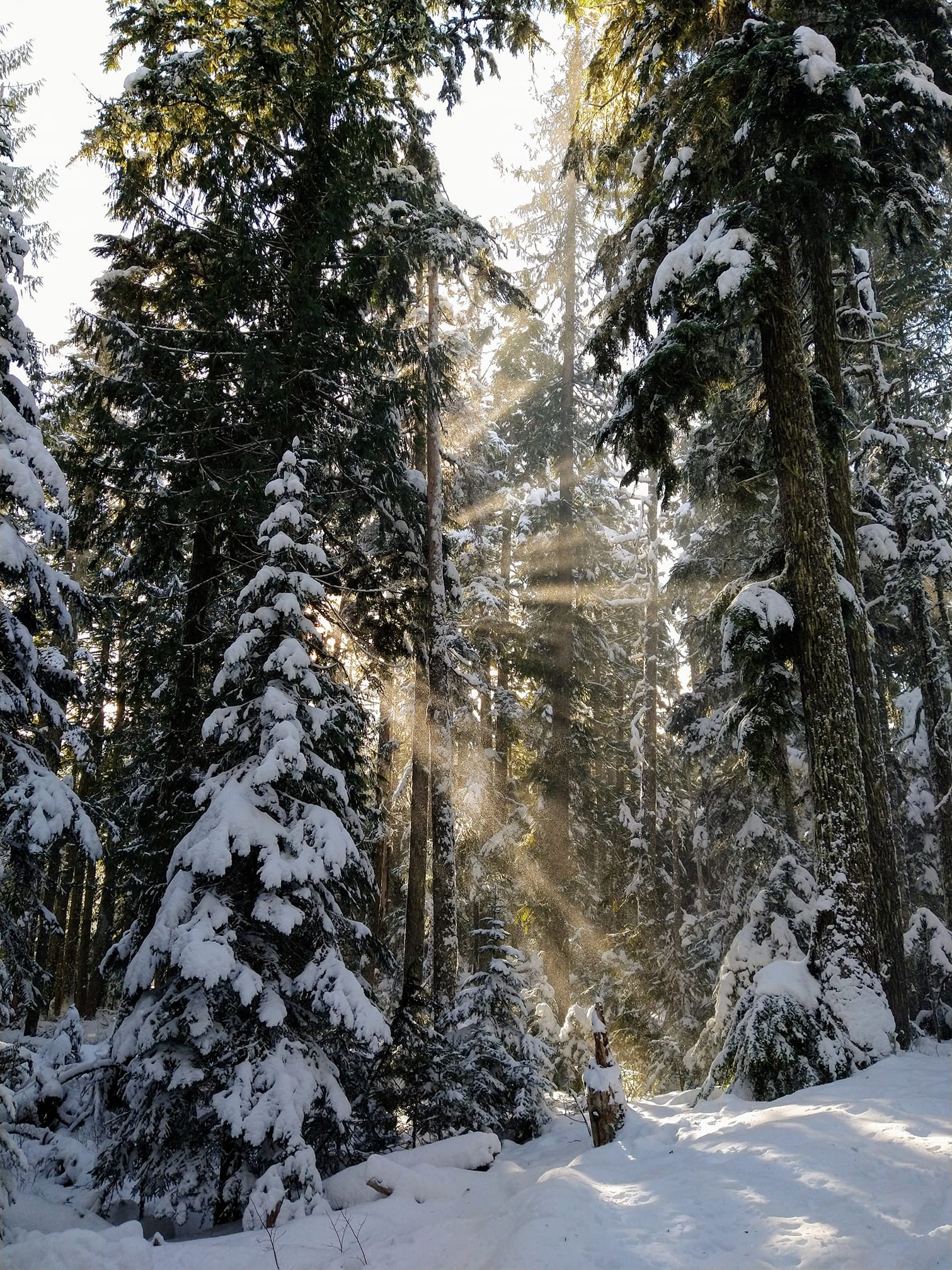
How does our connection to nature shape our mental and physical health? What role do green/blue spaces, wilderness, and environmental conditions play in human well-being? This course explores the intricate relationship between health psychology and nature, examining how our environments influence stress, disease, resilience, and overall psychological functioning. Through readings, lectures, and discussions, we will analyze the benefits of nature exposure, the consequences of environmental degradation, and the psychological dimensions of climate change, including eco-anxiety and climate grief. We will consider diverse perspectives, including Indigenous knowledge systems, evolutionary psychology, and public health frameworks, to understand how nature affects human flourishing across different cultural and socioeconomic contexts. Learning in this course is not a passive process; it requires active engagement with course materials, self-reflection, and collaborative dialogue. Students will be expected to critically engage with scientific research and real-world applications, integrating their own experiences and insights as we construct a shared understanding of the role nature plays in shaping human health. Together, we will explore how fostering a deeper connection with the natural world can serve as both a personal and collective strategy for well-being and sustainability.
- Teacher: Orlando Impas
- Teacher: Jolina Ruckert