- Teacher: Amy Rees
Lewis & Clark Moodle
Search results: 751

agency or school setting (eight to 10 hours per
week, 150 hours total) under intensive
supervision from CPSY faculty, developing the
therapeutic relationship and basic counseling
competencies. Students are expected to
demonstrate personal characteristics and
professional conduct necessary for effective,
ethical counseling. Two semesters, 3 credit hour
each required.
- Teacher: Alexia Deleon
- Teacher: Cort Dorn-Medeiros
- Teacher: Jeffrey Christensen

agency or school setting (eight to 10 hours per
week, 150 hours total) under intensive
supervision from CPSY faculty, developing the
therapeutic relationship and basic counseling
competencies. Students are expected to
demonstrate personal characteristics and
professional conduct necessary for effective,
ethical counseling. Two semesters, 3 credit hour
each required.
- Teacher: Alexia Deleon
- Teacher: Nori Gruber

- Teacher: Nori Gruber

agency or school setting (eight to 10 hours per
week, 150 hours total) under intensive
supervision from CPSY faculty, developing the
therapeutic relationship and basic counseling
competencies. Students are expected to
demonstrate personal characteristics and
professional conduct necessary for effective,
ethical counseling. Two semesters, 3 credit hour
each required.
- Teacher: Nori Gruber
- Teacher: Jeffrey Christensen
Working with clients in the practicum clinic, agency or school setting (eight to 10 hours per week, 100 hours total) under intensive, supervision from CPSY faculty, developing the therapeutic relationship and basic counseling competencies. Students are expected to demonstrate personal characteristics and professional conduct necessary for effective, ethical counseling. Two semesters, 3 credit hours each, required.
- Teacher: Meg Jeske
- Teacher: Jeffrey Christensen
- Teacher: Stella Kerl-Mcclain
- Teacher: Amy Rees
- Teacher: Amy Rees
- Teacher: Cort Dorn-Medeiros
- Teacher: Jeffrey Christensen
agency or school setting (eight to 10 hours per
week, 150 hours total) under intensive
supervision from CPSY faculty, developing the
therapeutic relationship and basic counseling
competencies. Students are expected to
demonstrate personal characteristics and
professional conduct necessary for effective,
ethical counseling. Two semesters, 3 credit hour
each required.
- Teacher: Jeffrey Christensen
agency or school setting (eight to 10 hours per
week, 150 hours total) under intensive
supervision from CPSY faculty, developing the
therapeutic relationship and basic counseling
competencies. Students are expected to
demonstrate personal characteristics and
professional conduct necessary for effective,
ethical counseling. Two semesters, 3 credit hour
each required.
- Teacher: Cort Dorn-Medeiros
- Teacher: Justin Henderson
agency or school setting (eight to 10 hours per
week, 150 hours total) under intensive
supervision from CPSY faculty, developing the
therapeutic relationship and basic counseling
competencies. Students are expected to
demonstrate personal characteristics and
professional conduct necessary for effective,
ethical counseling. Two semesters, 3 credit hour
each required.
- Teacher: Amy Rees
- Teacher: Amy Rees
- Teacher: Justin Henderson
- Teacher: Amy Rees
- Teacher: Jeffrey Christensen
- Teacher: Cort Dorn-Medeiros
- Teacher: Alexia Deleon
- Teacher: Cort Dorn-Medeiros
- Teacher: Meg Jeske
- Teacher: Jeffrey Christensen
- Teacher: Alexia Deleon
- Teacher: Mark Douglass

Major drugs and classes of abused substances.
Mechanisms of action in the brain, patterns of
physiological response in abuse, addiction, and
recovery. Impact on brain function, cognition,
emotions, behavior, and social effects.
Pharmacological adjuncts to detoxification and
treatment.
- Teacher: Justin Henderson
- Teacher: Kayla Carrar
- Teacher: Justin Henderson
Major drugs and classes of abused substances.
Mechanisms of action in the brain, patterns of
physiological response in abuse, addiction, and
recovery. Impact on brain function, cognition,
emotions, behavior, and social effects.
Pharmacological adjuncts to detoxification and
treatment.
- Teacher: Mark Douglass
Major drugs and classes of abused substances.
Mechanisms of action in the brain, patterns of
physiological response in abuse, addiction, and
recovery. Impact on brain function, cognition,
emotions, behavior, and social effects.
Pharmacological adjuncts to detoxification and
treatment.
- Teacher: Mark Douglass
- Teacher: Alexia Deleon

effects of addiction to alcohol and drugs of
abuse. Conditions, processes, and patterns of
recovery. Emphasis on physiological, social
learning, and interpersonal models and theories.
Natural history of onset, abuse, addiction, and
recovery; effects of intergenerational
transmission, genetic predilection, developmental
risk, and sociocultural factors; effects on
psychosocial development; impact of culture and
gender differences. Implications for treatment.
- Teacher: Alexia Deleon

- Teacher: Alexia Deleon
- Teacher: Mark Douglass
- Teacher: Alexia Deleon

effects of addiction to alcohol and drugs of
abuse. Conditions, processes, and patterns of
recovery. Emphasis on physiological, social
learning, and interpersonal models and theories.
Natural history of onset, abuse, addiction, and
recovery; effects of intergenerational
transmission, genetic predilection, developmental
risk, and sociocultural factors; effects on
psychosocial development; impact of culture and
gender differences. Implications for treatment.
- Teacher: Alexia Deleon
- Teacher: Marie Tran
Theories of the nature, course, causes, and, effects of addiction to alcohol and drugs of, abuse. Conditions, processes, and patterns of, recovery. Emphasis on physiological, social, learning, and interpersonal models and theories., Natural history of onset, abuse, addiction, and, recovery; effects of intergenerational, transmission, genetic predilection, developmental, risk, and sociocultural factors; effects on, psychosocial development; impact of culture and, gender differences. Implications for treatment.
- Teacher: Kayla Carrar
- Teacher: Mark Douglass
beginning skills in the use of specific
strategies, procedures, and interventions in
assessment, diagnosis, and treatment of substance
abuse and addictive disorders. Topics include
multiple modes and models of assessment,
intervention and treatment, content and basic
assumptions of different treatment modalities,
organization of comprehensive treatment
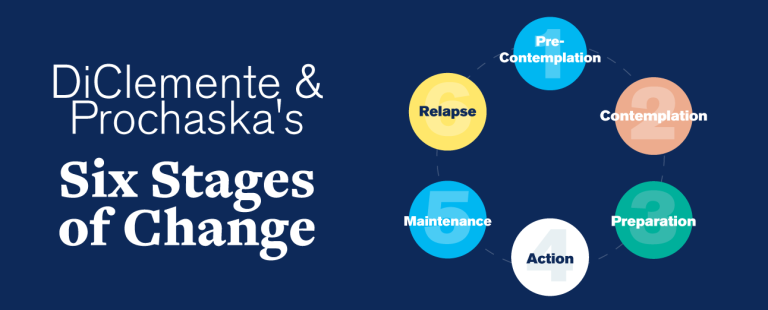
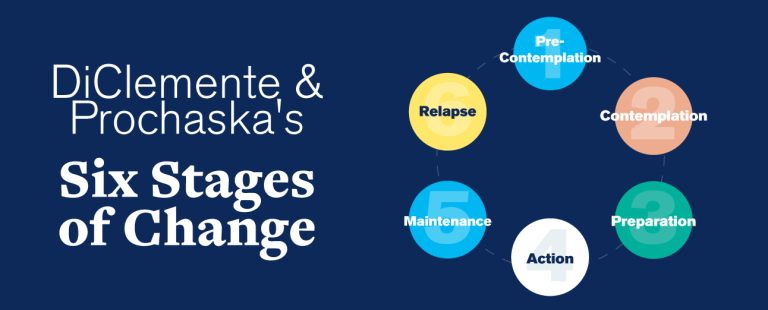
strategies, motivational interviewing in the
context of stages-of-change models, contracting
with clients, consultation, integration of medical
and psychosocial treatments, referral processes
and standards, issues of moderation versus
abstinence, relapse prevention, and case
management. Also covers documentation, record
keeping and management, confidentiality, and
ethical and legal issues.
- Teacher: Mark Douglass
- Teacher: Autumn Simmons
- Teacher: Mark Douglass
- Teacher: Jeffrey Christensen
- Teacher: Stephen Tufte
change, physiological processes that mediate
psychological functioning, processes of human
perception and cognition, approaches to
understanding functional and dysfunctional
personality characteristics of individuals,
counseling and psychotherapy techniques,
application of psychological principles to social
phenomena.
- Teacher: Huda Basharow
- Teacher: Kayla Puente
- Teacher: Jolina Ruckert
change, physiological processes that mediate
psychological functioning, processes of human
perception and cognition, approaches to
understanding functional and dysfunctional
personality characteristics of individuals,
counseling and psychotherapy techniques,
application of psychological principles to social
phenomena.
- Teacher: Huda Basharow
- Teacher: Kayla Puente
Principles underlying behavioral development and
change, physiological processes that mediate
psychological functioning, processes of human
perception and cognition, approaches to
understanding functional and dysfunctional
personality characteristics of individuals,
counseling and psychotherapy techniques,
application of psychological principles to social
phenomena.
- Teacher: Huda Basharow
- Teacher: Kayla Puente
Principles underlying behavioral development and, change, physiological processes that mediate, psychological functioning, processes of human, perception and cognition, approaches to, understanding functional and dysfunctional, personality characteristics of individuals,, counseling and psychotherapy techniques,, application of psychological principles to social, phenomena.
- Teacher: Sarina Saturn
- Teacher: Rachel Takamiya
Principles underlying behavioral development and, change, physiological processes that mediate, psychological functioning, processes of human, perception and cognition, approaches to, understanding functional and dysfunctional, personality characteristics of individuals,, counseling and psychotherapy techniques,, application of psychological principles to social, phenomena.
- Teacher: Kayla Puente
- Teacher: Elena Perrine
- Teacher: Jolina Ruckert
- Teacher: Kayla Puente

- Teacher: Ty Cudd
- Teacher: Ela Gore
- Teacher: Jolina Ruckert
behavior through the lens of film. How cultural
forces and transitions shape worldview, individual
identity and personality, child development,
family structure and dynamics, personal
relationships, social perception, other aspects of
behavior relevant to psychology. Variety of
cultures and cultural influences, theories and
methods in cultural psychology, ways in which
culture shapes film and film reflects and shapes
culture. Does not apply to major requirements.
- Teacher: Yueping Zhang
- Teacher: Todd Watson

- Teacher: Jesse Niebaum

Important Note: You can’t earn credit for BOTH Psy 200 and AP/IB statistics.
- Teacher: Todd Watson
experiments. Use of distributions, measures of
central tendency, variability, correlation,
t-tests, simple analysis of variance and
nonparametric techniques. Computer applications
using SPSS statistical analysis programs and other
software.
- Teacher: Lauren Thompson

- Teacher: Todd Watson

Credit may not be earned for both, this course and AP statistics.
- Teacher: Todd Watson

You can't earn credit for both Psy 200 and AP/IB Statistics
- Teacher: Todd Watson

- Teacher: Todd Watson

- Teacher: Jesse Niebaum
and problem solving. Selective perception, memory,
contextual effects on decision making, paradoxes
in rationality, biases created from
problem-solving heuristics, probability and risk
assessment, perception of randomness, attribution
of causality, group judgments and decisions.
- Teacher: Erik Nilsen
and problem solving. Selective perception, memory,
contextual effects on decision making, paradoxes
in rationality, biases created from
problem-solving heuristics, probability and risk
assessment, perception of randomness, attribution
of causality, group judgments and decisions.
- Teacher: Erik Nilsen
- Teacher: Sarina Saturn
perception, cognition, language, personality,
social behavior. How psychological processes
evolve and change. Emphasis on infancy and
childhood.
- Teacher: Clara Christensen
- Teacher: Madison Chun
- Teacher: Irene Hilman
- Teacher: Jolina Ruckert
perception, cognition, language, personality,
social behavior. How psychological processes
evolve and change. Emphasis on infancy and
childhood.
- Teacher: Madison Chun
- Teacher: Jolina Ruckert
- Teacher: Nora Cesareo-Dense
- Teacher: Keagan Polentz
- Teacher: Jolina Ruckert
- Teacher: Bria Whitten
- Teacher: Mai Alexander
- Teacher: Inara Cutler
- Teacher: Jolina Ruckert
- Teacher: Verity Prentice
- Teacher: Jolina Ruckert
perception, cognition, language, personality,
social behavior. How psychological processes
evolve and change. Emphasis on infancy and
childhood.
- Teacher: Irene Hilman
- Teacher: Jolina Ruckert
- Teacher: Bria Whitten
- Teacher: Mai Alexander
- Teacher: Keesee Bennett McDonnell
- Teacher: Inara Cutler
- Teacher: Jolina Ruckert
- Teacher: McKenna Zehnder
perception, cognition, language, personality,
social behavior. How psychological processes
evolve and change. Emphasis on infancy and
childhood.
- Teacher: Jennifer Labounty
- Teacher: Ella Stephan
perception, cognition, language, personality,
social behavior. How psychological processes
evolve and change. Emphasis on infancy and
childhood.
- Teacher: Irene Hilman
- Teacher: Jolina Ruckert
- Teacher: Bria Whitten