- Teacher: Sepideh Bajracharya
Lewis & Clark Moodle
Search results: 1915
- Teacher: Kabir Heimsath
- Teacher: Sarah Warren
- Teacher: Jennifer Cappalonga
- Teacher: Jesse Erwin
- Teacher: Jennifer Twyford
functions of school psychologists. Readings in
contemporary issues and historical events provide
the foundation for graduate preparation in school
psychology. Students observe the work of school
psychologists and discuss the profession in a
seminar format. This course is a practicum in
school-based systems, and includes overviews of
the theories and practices for school-based
emotional, behavioral, social, and academic
change.
- Teacher: Jennifer Twyford
research as applied to the process of learning
and education, age birth to twenty-one. Emphasis
will be placed in the following areas: candidates
gaining knowledge to both differentiate and
integrate multiple theoretical views on
development; candidates gaining a better
conceptual understanding of commonalities and
differences in development; and, candidates
gaining a better practical understanding of how
to help children and adolescents address the
developmental challenges they face, particularly
in schools. In this course, child and adolescent
development will be viewed through theories and
research in the areas of interpersonal,
emotional, cultural, cognitive, and physical
development.
- Teacher: Andrea Dennison
- Teacher: Bich Do
remediate academic skills deficits of school-age
children. Topics include intervention in reading,
writing, math, and general academic interventions,
and direct assessment for academic skills via
curriculum-based measurement.
- Teacher: Madeline Hall
- Teacher: Mason Rivers
This course is a 1-credit lab course designed to, be taken in conjunction with SPSY 545. SPSY 545 is, the first of a three-part assessment sequence., SPSY 545 focuses on cognitive and academic, measures. This course is designed to prepare, students to (a) understand and learn the process, of assessment. The course format stresses the, formative evaluation of student progress toward a, criterion of competence. Students are expected to, master the administration, scoring, and basic, interpretation of specific cognitive and, achievement measures to a high level of mastery., Additional training and experience will be, necessary, however, to further develop and refine, skills and to apply them to diverse individuals in, a variety of settings. Students demonstrating, initial competence following this course will be, ready for further training in individual, intellectual assessment in supervised practicum, experiences, but not for unsupervised/independent, practice.
- Teacher: Mason Rivers
- Teacher: Mariana Rocha
- Teacher: Mason Rivers
This course is a 1-credit lab course designed to, be taken in conjunction with SPSY 545. SPSY 545 is, the first of a three-part assessment sequence., SPSY 545 focuses on cognitive and academic, measures. This course is designed to prepare, students to (a) understand and learn the process, of assessment. The course format stresses the, formative evaluation of student progress toward a, criterion of competence. Students are expected to, master the administration, scoring, and basic, interpretation of specific cognitive and, achievement measures to a high level of mastery., Additional training and experience will be, necessary, however, to further develop and refine, skills and to apply them to diverse individuals in, a variety of settings. Students demonstrating, initial competence following this course will be, ready for further training in individual, intellectual assessment in supervised practicum, experiences, but not for unsupervised/independent, practice.
- Teacher: Mariana Rocha
be taken in conjunction with SPSY 545. SPSY 545 is
the first of a three-part assessment sequence.
SPSY 545 focuses on cognitive and academic
measures. This course is designed to prepare
students to (a) understand and learn the process
of assessment. The course format stresses the
formative evaluation of student progress toward a
criterion of competence. Students are expected to
master the administration, scoring, and basic
interpretation of specific cognitive and
achievement measures to a high level of mastery.
Additional training and experience will be
necessary, however, to further develop and refine
skills and to apply them to diverse individuals in
a variety of settings. Students demonstrating
initial competence following this course will be
ready for further training in individual
intellectual assessment in supervised practicum
experiences, but not for unsupervised/independent
practice.
- Teacher: James Alsip
- Teacher: Jesse Erwin
- Teacher: Mason Rivers
- Teacher: Sabrina Josephson
- Teacher: Mason Rivers
evaluation of prevention and intervention programs
for school-age youth in school and community
settings. Students also examine the cultural,
social, psychological, family, and political
factors bearing on children's understanding of and
experiences with alcohol and other drugs.
Prevention and intervention through enhancement of
social competence are presented from
constructivist and ecological-developmental
perspectives with application to individuals and
to small-group and classroom-based settings.
- Teacher: Sabrina Josephson
- Teacher: Jennifer Twyford
A Colloquium is an academic seminar on a broad, field of study, usually led by a different, lecturer at each meeting. This Colloquium will be, focused on the broad field of School Psychology,, and all candidates across all three cohorts of, the school psychology program are required to, attend in order to address, together, relevant, topics of the profession that concern us all. The, Colloquium meets four times per academic year,, with a different topic as the focus for each, meeting. These four topics include: 1) Issues in, Practicum and Internship Supervision; 2), Variations of the Practice of School Psychology;, 3) Alumni Relations and Mentorship; and 4), Cross-Professional Collaboration. The School, Psychology Colloquium challenges school, psychology candidates to address issues of, concern across all three cohorts while, simultaneously providing mentorship across these, cohorts through conversation, guidance, and, shared information. Course goals for participants, include: a. Engaging with the data, research and, theory regarding topics of shared concern in the, field of school psychology b. Gaining an, understanding of the practices of mentorship,, supervision and on-going professional development, in the field of school psychology c. Gaining an, understanding of the variation and different, forms of practice within the field of school, psychology at the local, national and, international level. d. Engaging with related, professionals in the field of education regarding, topics of shared concern in an effort to better, differentiate and integrate as working, professionals.

- Teacher: Elena Diamond
- Teacher: Kate Jaspers
- Teacher: Peter Mortola
A Colloquium is an academic seminar on a broad, field of study, usually led by a different, lecturer at each meeting. This Colloquium will be, focused on the broad field of School Psychology,, and all candidates across all three cohorts of, the school psychology program are required to, attend in order to address, together, relevant, topics of the profession that concern us all. The, Colloquium meets four times per academic year,, with a different topic as the focus for each, meeting. These four topics include: 1) Issues in, Practicum and Internship Supervision; 2), Variations of the Practice of School Psychology;, 3) Alumni Relations and Mentorship; and 4), Cross-Professional Collaboration. The School, Psychology Colloquium challenges school, psychology candidates to address issues of, concern across all three cohorts while, simultaneously providing mentorship across these, cohorts through conversation, guidance, and, shared information. Course goals for participants, include: a. Engaging with the data, research and, theory regarding topics of shared concern in the, field of school psychology b. Gaining an, understanding of the practices of mentorship,, supervision and on-going professional development, in the field of school psychology c. Gaining an, understanding of the variation and different, forms of practice within the field of school, psychology at the local, national and, international level. d. Engaging with related, professionals in the field of education regarding, topics of shared concern in an effort to better, differentiate and integrate as working, professionals.
- Teacher: Elena Diamond
- Teacher: Jennifer Twyford
- Teacher: Elena Diamond
Didactic class instruction, practicum placement,, and clinical training related to work as a, professional school psychologist. Covers the, application of psychological therapies with, children, adolescents, and families in educational, settings, as well as skills involved in collecting, data for consultation and assessment at the, practicum site. Foci will include the development, and application of diversity awareness and, knowledge including systems of power and, privilege; awareness of one's own beliefs, biases,, and prejudices; and methods/skills for working, with those who are diverse in culture, race,, ethnicity, gender, age, sexual orientation, or, physical or mental ability. In weekly seminars,, students review research, theory, and practice., Students also present audio and/or video, recordings of their counseling for supervisory, review.
- Teacher: Elena Diamond
- Teacher: Colleen Hanson
- Teacher: Elena Diamond
functions of school psychologists. Readings in
contemporary issues and historical events provide
the foundation for graduate preparation in school
psychology. Students observe the work of school
psychologists and discuss the profession in a
seminar format. This course is a practicum in
school-based systems, and includes overviews of
the theories and practices for school-based
emotional, behavioral, social, and academic
change.
- Teacher: Jennifer Twyford
- Teacher: Shanna Davis
remediate academic skills deficits of school-age
children. Topics include intervention in reading,
writing, math, and general academic interventions,
and direct assessment for academic skills via
curriculum-based measurement.
- Teacher: Allison Watkins
- Teacher: Bich Do
- Teacher: Sabrina Josephson
- Teacher: Heather Birch

- Teacher: Cari Zall
- Teacher: Timothy Graham
This course presents a study of United States history through the lens of major constitutional cases, issues, and debates. Topics will include, but are not limited to: equal protection, voting rights and disenfranchisement, due process, privacy and security, and free speech. These constitutional issues will be placed into their historical context and examined for their connections and relevance to current and emerging topics.
Description of Instructional Approach/Pedagogy:
The instructional approach is threefold: 1) Provide content knowledge; 2) Model teaching strategies; 3) Create and workshop curriculum. The course will emphasize social justice education. Based in the principles of Rethinking Schools, the course will focus on employing pedagogy that is grounded, critical, multicultural, anti-racist, participatory, experiential, hopeful, activist, academically rigorous, culturally sensitive, and honest. The parallel to this will be an introduction to historiography and an introduction to dialectical materialism as a framework for thinking critically about history.
- Teacher: Timothy Graham

Classes will be built around quality teaching practice and social justice frameworks that include anti-racism, anti-colonialism, and an ethic of care. This course will model a variety of strategies and methods including digital and remote learning, as well as traditional classroom environments. All information, reading, and ongoing discussions will be located in the online Class Moodle
- Teacher: Cari Zall

- Teacher: Cari Zall
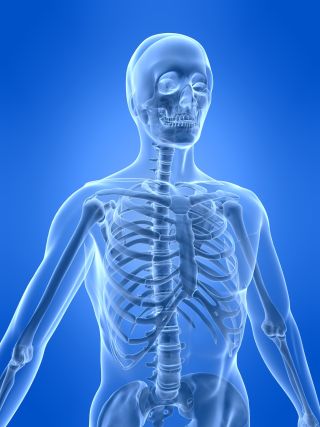
readings, and discussion to explore structural and
functional aspects of the body and anatomy with
the goal of increasing efficiency of movement and
physical coordination. Use of imagery supports
dynamic alignment, breath, mobility/stability,
relaxation, and partner work including massage,
with a main focus on the skeletal system and
elements of muscle and organ systems, as well as
the relationship between the body and
psychological/emotional patterns. Extensive
journal writing.
- Teacher: Susan Davis
- Teacher: Eric Nordstrom
- Teacher: Susan Davis

- Teacher: Eric Nordstrom

readings, and discussion to explore structural and
functional aspects of the body and anatomy with
the goal of increasing efficiency of movement and
physical coordination. Use of imagery supports
dynamic alignment, breath, mobility/stability,
relaxation, and partner work including massage,
with a main focus on the skeletal system and
elements of muscle and organ systems, as well as
the relationship between the body and
psychological/emotional patterns. Extensive
journal writing.
- Teacher: Eric Nordstrom
readings, and discussion to explore structural and
functional aspects of the body and anatomy with
the goal of increasing efficiency of movement and
physical coordination. Use of imagery supports
dynamic alignment, breath, mobility/stability,
relaxation, and partner work including massage,
with a main focus on the skeletal system and
elements of muscle and organ systems, as well as
the relationship between the body and
psychological/emotional patterns. Extensive
journal writing.
- Teacher: Susan Davis
Use of guided movement explorations, partner work,, readings, and discussion to explore structural and, functional aspects of the body and anatomy with, the goal of increasing efficiency of movement and, physical coordination. Use of imagery supports, dynamic alignment, breath, mobility/stability,, relaxation, and partner work including massage,, with a main focus on the skeletal system and, elements of muscle and organ systems, as well as, the relationship between the body and, psychological/emotional patterns. Extensive, journal writing.
- Teacher: Eric Nordstrom

- Teacher: Eric Nordstrom
- Teacher: Susan Davis
- Teacher: Eric Nordstrom

- Teacher: Eric Nordstrom

readings, and discussion to explore structural and
functional aspects of the body and anatomy with
the goal of increasing efficiency of movement and
physical coordination. Use of imagery supports
dynamic alignment, breath, mobility/stability,
relaxation, and partner work including massage,
with a main focus on the skeletal system and
elements of muscle and organ systems, as well as
the relationship between the body and
psychological/emotional patterns. Extensive
journal writing.
- Teacher: Eric Nordstrom
- Teacher: Margretta Hansen
Acting I Fundamentals will introduce theatre majors and non-majors to the fundamental vocabulary, concepts, and skills, to thrive onstage and off. The class will include observation and awareness of the self and of others, movement techniques, introduction to the use of the voice, working in ensemble, and finally bringing text alive. Through a series of exercises, self-observation, improvisation, written assignments, text analysis, rehearsal and performance, this class will serve the as the foundation for an in-depth examination of yourself, and your creative expression. We will work on developing awareness, acceptance, and through that, creative expression, both for making compelling performance and for use in the act of living.
Student Learning Objectives:
Over the course of the semester, successful students will:
Develop skills for self- expression through rehearsal and performance.
Apply movement techniques for grounded presence and awareness.
Cultivate willingness and readiness to take artistic risks.
Analyze a script utilizing the method of physical action, defining given circumstances, objective, obstacle, actions, relationship, and character.
Analyze and critique performance through observation, practice, in-class discussion, and written reflection.
Create performance by oneself, in partnership and in ensemble.
Experience performance through attending performances within the LC community and the Portland professional theatre community.
- Teacher: Cristi Miles
texts from historical and contemporary realistic
dramatic literature. Integration of voice and body
work, deepening a sense of truth in emotional and
intellectual expression, and increased focus on
detailed scene work and audition preparation.
Actors work with instructor on individual acting
problems, engage in deep-dive scene and play
analyses, and rehearse and perform multiple scenes
and audition pieces. Writing: script analysis,
historical research, bibliography, observations.
Additional projects in movement and voice.
- Teacher: Cristi Miles
- Teacher: Susan Davis

- Teacher: Eric Nordstrom
- Teacher: Rebecca Lingafelter
- Teacher: Susan Davis
- Teacher: Evangelina Escobar
- Teacher: Susan Davis
- Teacher: Tiffany Mills
- Teacher: Stepan Simek
- Teacher: Rebecca Lingafelter
- Teacher: Susan Davis
- Teacher: Tiffany Mills
- Teacher: Rebecca Lingafelter

- Teacher: Cristi Miles
- Teacher: Rebecca Lingafelter
demanded by, the drama of particular periods and
genres. Acting "style" explored through the study
of a period's theatrical conventions and cultural
preferences (in physical movement, bodily display,
vocal technique, fashion). Emphasis on premodern
styles, including Shakespeare and commedia
dell'arte. Some modern and contemporary
nonrealistic styles.
- Teacher: Rebecca Lingafelter
scripts. Explorations of modes of contemporary
performance through collaborative and collective
creation, the adaptation of nondramatic texts for
performance, and multidisciplinary work. Students
write, adapt, and devise original performances
throughout the semester. Music and studio art
students welcome.
- Teacher: Rebecca Lingafelter
- Teacher: Stepan Simek