- Teacher: Todd Watson
カテゴリ: Psychology


Welcome to a most practical course. One built around an asynchronous classroom experience providing exposure to the legal resources and research techniques used in the practice of environmental, natural resources, and energy law.
There will be a strong emphasis on statutory law and the legislative process, and administrative law and the rulemaking process. During the course of the semester we will also explore current awareness tools, specialized information databases, advanced case law research, advanced database searching, science and statistical sources, cost-effective research strategies, international and foreign environmental law, and current and archived sources of government information.
The course is designed to complement other environmental, natural resources, and energy law courses and clinics, and to allow students to apply knowledge gained in this class to their research, clinical, journal, and work experiences.

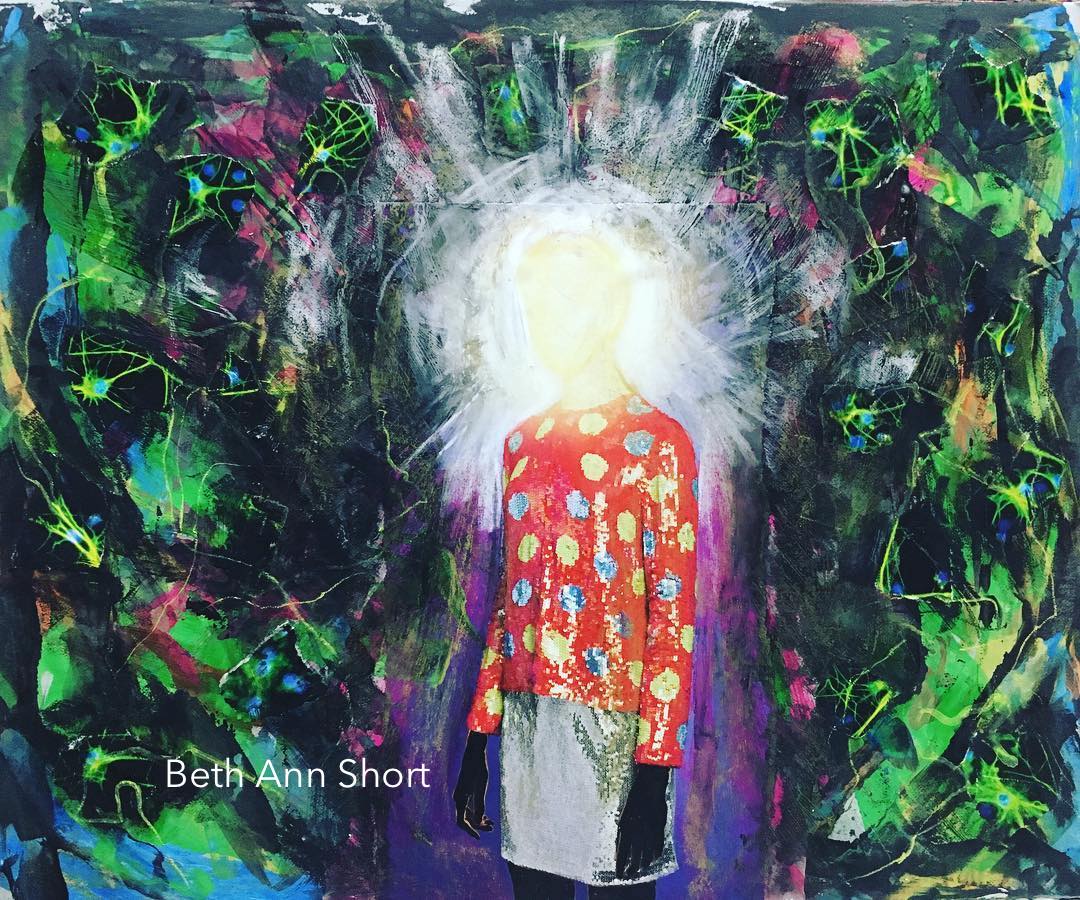
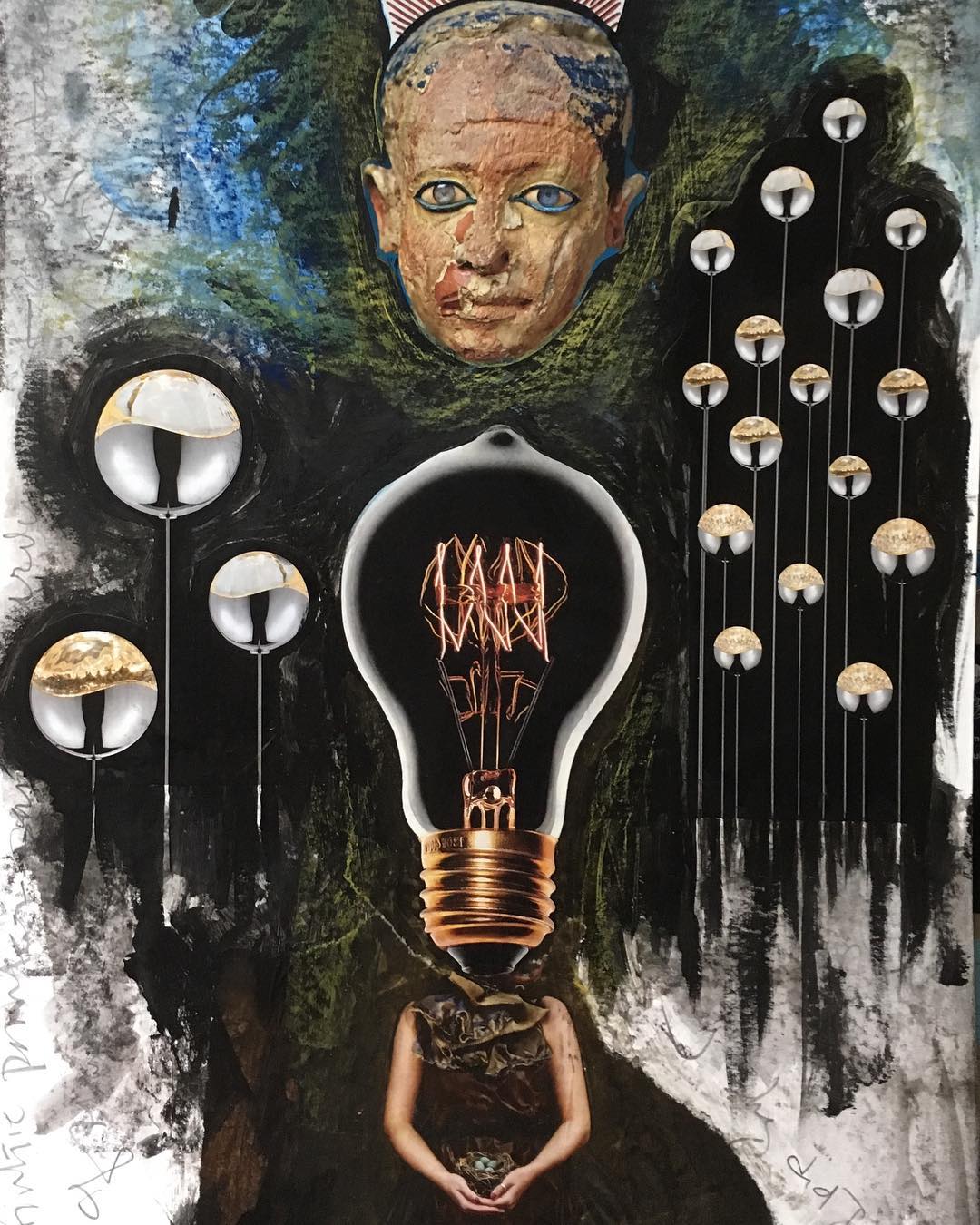
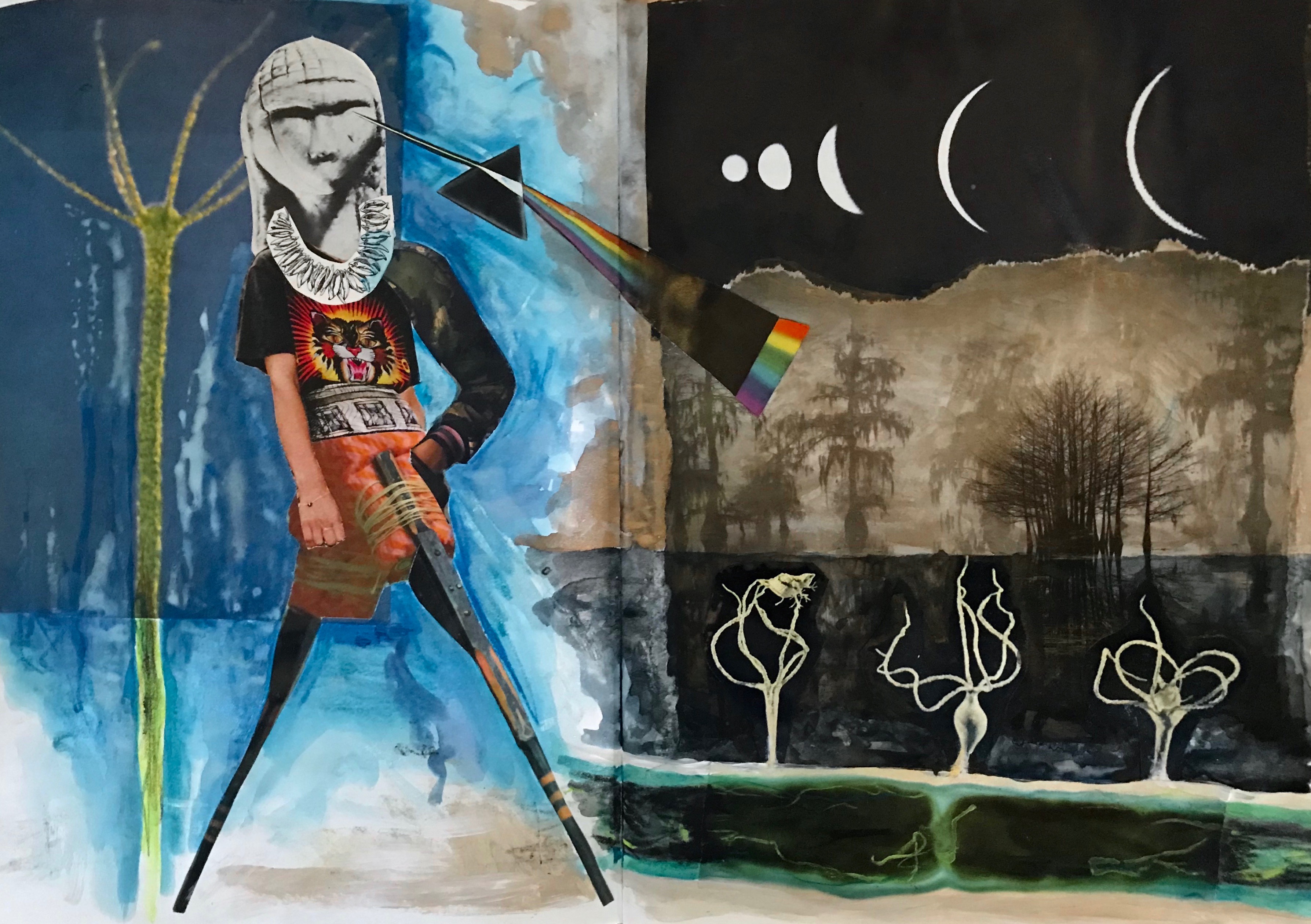


Introductory overview of the field of art therapy
including history, development, major theories,
and applications of art therapy with various
client populations. Admission into Art Therapy
Program required.
Introductory overview of the field of art therapy
including history, development, major theories,
and applications of art therapy with various
client populations. Admission into Art Therapy
Program required.
Through the lens of art
therapy this course will examine; polyvagal theory, brain development and the
impact of trauma on the developing brain, the stages of treatment when working
with clients who have experienced trauma, methods to protect and manage self-care
to address vicarious traumatization in clinical practice, various methods to
treat trauma with different client populations and showing sensitivity to
cultural, environmental and developmental needs. Teaching methods include but
are not limited to readings, lecture, video, discussions, and experiential art
making directives.