- Teacher: Erik Nilsen
Lewis & Clark Moodle
Search results: 2039
- Teacher: Erik Nilsen
and problem solving. Selective perception, memory,
contextual effects on decision making, paradoxes
in rationality, biases created from
problem-solving heuristics, probability and risk
assessment, perception of randomness, attribution
of causality, group judgments and decisions.
- Teacher: Erik Nilsen
- Teacher: Sarina Saturn
description of abnormal behaviors; societal
reactions to abnormal behavior; theory and
research on causes, treatments, and prevention of
pathology; major psychopathologies including
physical symptoms and stress reactions; anxiety,
somatoform, and dissociative disorders; sexual
dysfunctions; addictions; sociopathy and other
personality disorders; schizophrenia; mood
disorders.
- Teacher: Christopher Collins
- Teacher: Diana Leonard
- Teacher: Cameryn Nagaji
- Teacher: Erik Nilsen
- Teacher: Lisa Velkoff
Issues in defining abnormality; classification and
description of abnormal behaviors; societal
reactions to abnormal behavior; theory and
research on causes, treatments, and prevention of
pathology; major psychopathologies including
physical symptoms and stress reactions; anxiety,
somatoform, and dissociative disorders; sexual
dysfunctions; addictions; sociopathy and other
personality disorders; schizophrenia; mood
disorders.

- Teacher: Lisa Velkoff

Basic properties of neurons, neurotransmitters,
and the basic anatomy of the nervous system.
Emphasis on the brain's role in such functions as
sensation, emotion, language, learning and
memory, sexual behavior, sleep, motivation. The
biological bases of abnormal conditions, such as
affective disorders, amnesia, learning disorders.
Students who have received credit for PSY/BIO 252
should not enroll in this course. Not open to
students with previous credit in PSY 350 or PSY
355.
- Teacher: Todd Watson
- Teacher: Sarina Saturn
Basic properties of neurons, neurotransmitters,
and the basic anatomy of the nervous system.
Emphasis on the brain's role in such functions as
sensation, learning and memory, sleep, motivation. The
biological bases of abnormal conditions, such as
affective disorders, amnesia, learning disorders.
Students who have received credit for PSY/BIO 252
should not enroll in this course. Not open to
students with previous credit in PSY 350 or PSY
355.
- Teacher: Lauren Thompson
- Teacher: Angie Cummings
- Teacher: Jennifer Labounty
- Teacher: Diana Leonard
- Teacher: Jesse Niebaum
techniques applied to laboratory investigation of
psychological phenomena. Data collected from
laboratory studies analyzed statistically and
reported in technical lab reports. Students are
required to complete an individually written
sophomore thesis and must earn a passing grade on
this assignment in order to pass the course.
- Teacher: Jennifer Labounty
- Teacher: Sara Quiballo
- Teacher: Diana Leonard

- Teacher: Keagan Polentz
- Teacher: Jolina Ruckert
techniques applied to laboratory investigation of
psychological phenomena. Data collected from
laboratory studies analyzed statistically and
reported in technical lab reports. Students are
required to complete an individually written
sophomore thesis and must earn a passing grade on
this assignment in order to pass the course.
- Teacher: Lauren Thompson
Research methodologies and experimental design
techniques applied to laboratory investigation of
psychological phenomena. Data collected from
laboratory studies analyzed statistically and
reported in technical lab reports. Students are
required to complete an individually written
sophomore thesis and must earn a passing grade on
this assignment in order to pass the course.
Sophomore standing required.
- Teacher: Jennifer Labounty
- Teacher: Pauline Storey
- Teacher: Imo Volland
cognition. Discussion of scientific methods used
to investigate cognition. Emphasis on memory,
reasoning, decision making, cognitive science.
Laboratory sections supplement lectures and
readings with computer-based experiments and
demonstrations. Seniors will be given
registration preference during the first round of
registration.
- Teacher: Erik Nilsen
- Teacher: Jesse Niebaum
- Teacher: Erik Nilsen
cognition. Discussion of scientific methods used
to investigate cognition. Emphasis on memory,
reasoning, decision making, cognitive science.
Laboratory sections supplement lectures and
readings with computer-based experiments and
demonstrations. Seniors will be given
registration preference during the first round of
registration.
- Teacher: Erik Nilsen
- Teacher: Jesse Niebaum
- Teacher: Diana Leonard
explain social influence with a focus on norm
formation, conformity, and deviance. Emphasis on
the role of social identity, leadership, and group
dynamics. Role of norms and minority influence in
health, business, marketing, political and media
contexts, and the ethical considerations of using
norms to influence others.
- Teacher: Diana Leonard

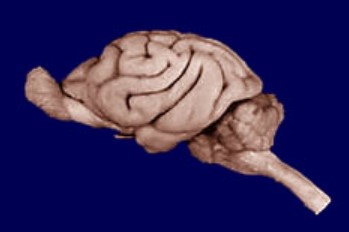
processes and underlying functions of the nervous
system. Biological bases of sensation, perception,
motivation, emotion, learning, memory,
psychopathology. Laboratory sections supplement
lectures and readings with practical experience in
neural anatomy, animal (rat) behavioral testing,
and neuropsychological testing. Seniors will be
given registration preference during the first
round of registration.
- Teacher: Christopher Collins
- Teacher: Diana Leonard
- Teacher: Todd Watson
- Teacher: Yueping Zhang

- Teacher: Diana Leonard
- Teacher: Todd Watson

- Teacher: Todd Watson

- Teacher: Todd Watson

- Teacher: Todd Watson

- Teacher: Todd Watson

- Teacher: Todd Watson

- Teacher: Todd Watson

- Teacher: Todd Watson

- Teacher: Todd Watson

- Teacher: Todd Watson

BTW: The image for this page is a baby sea lion in an MRI at a wildlife recovery center
- Teacher: Todd Watson

- Teacher: Todd Watson

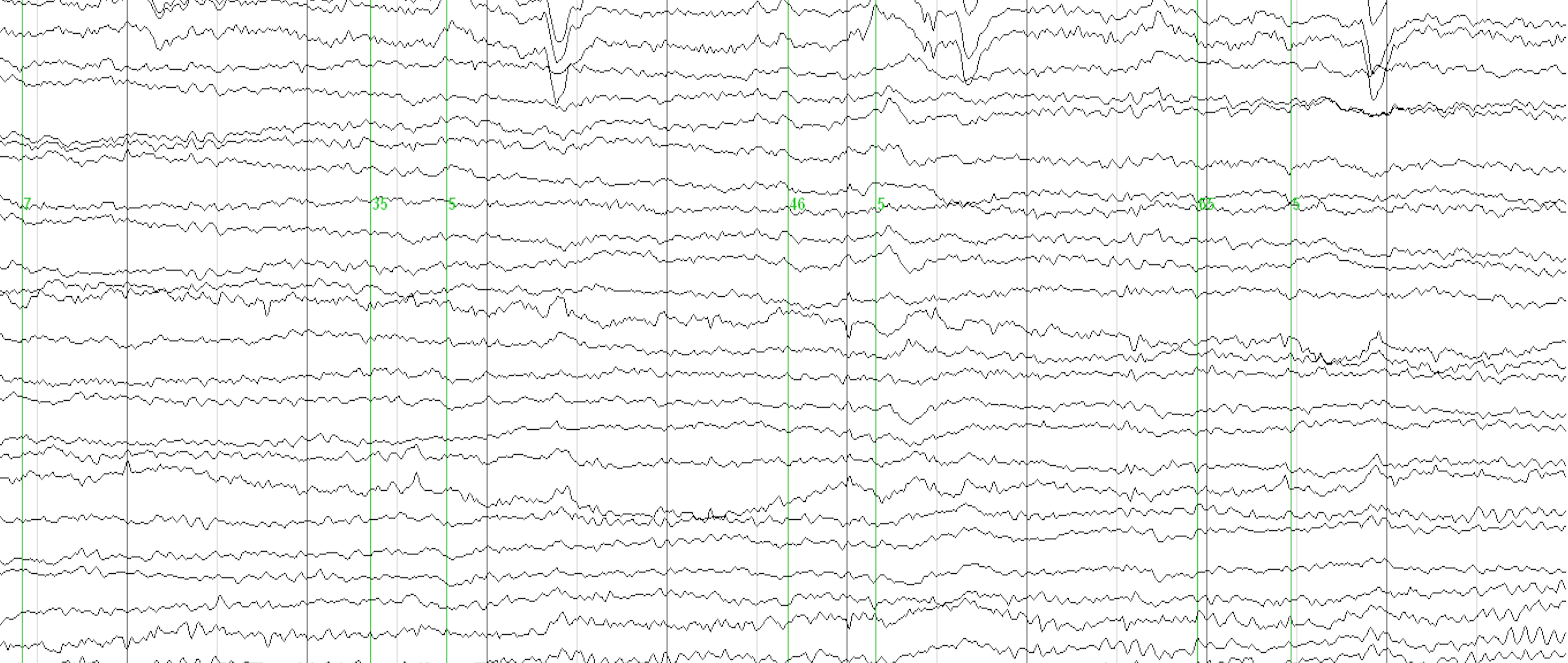
This page will contain all the lab materials for Psy 355. Sorry, I know it's annoying to have two separate pages for the class, but trust me, things get WAY too complicated when I try to cram it all in one page.
- Teacher: Todd Watson

- Teacher: Todd Watson

- Teacher: Todd Watson
of females, their attitudes, values, behaviors,
and self-image. Alternative models for increasing
gender-role flexibility and allowing all humans to
explore their full potential. Research
methodology, changing roles, androgyny, gender
schema, extent and validity of gender differences.
Influence of culture, socialization, and
individual differences on women and men.
Relationship between the psychology of gender and
principles of feminism.
- Teacher: Irene Hilman
- Teacher: Jolina Ruckert
- Teacher: Hazel Wilton-Green
of females, their attitudes, values, behaviors,
and self-image. Alternative models for increasing
gender-role flexibility and allowing all humans to
explore their full potential. Research
methodology, changing roles, androgyny, gender
schema, extent and validity of gender differences.
Influence of culture, socialization, and
individual differences on women and men.
Relationship between the psychology of gender and
principles of feminism.
- Teacher: Jolina Ruckert

- Teacher: Orlando Impas
- Teacher: Jolina Ruckert
- Teacher: Yueping Zhang

- Teacher: Jesse Niebaum
- Teacher: Todd Watson

- Teacher: Todd Watson
Project-based exploration of the processes for
creating technologies that expand human capability
(functionality) while adapting to the abilities of
users (usability). HCI topics including cognition,
perception, personality, learning, and motivation,
as well as social, developmental, abnormal, and
educational psychology studied from a
psychological perspective. Primary source
materials from the fields of psychology, computer
science, and allied disciplines.
- Teacher: Erik Nilsen
- Teacher: Diana Leonard
- Teacher: Susan Morell
- Teacher: Sarah Dunkin
- Teacher: Jennifer Kempf-Burkart
- Teacher: Renee Laney
- Teacher: Erin Ocon
- Teacher: Sarah Dunkin
- Teacher: Jennifer Kempf-Burkart
- Teacher: Erin Ocon
- Teacher: Sarah Dunkin
- Teacher: Jennifer Kempf-Burkart
- Teacher: Renee Laney
- Teacher: Erin Ocon
- Teacher: Sarah Dunkin
- Teacher: Jennifer Kempf-Burkart
- Teacher: Erin Ocon
- Teacher: Matsya Siosal
- Teacher: Susan Morell
- Teacher: Erin Ocon
READ 614: Reading Comprehension: Theory & Practical Application (Development Page, Dunkin & Burkart)
- Teacher: Sarah Dunkin
- Teacher: Jennifer Kempf-Burkart
- Teacher: Erin Ocon
- Teacher: Matsya Siosal
human beings have sought to make sense of their
world through apocalyptic speculation; exploration
of the special relationship between end-time
speculation and religious thought and practice.
Sources include literature ranging from ancient
Mesopotamian apocalypses to Zora Neale Hurston's
Their Eyes Were Watching God, art and
architecture from the Ishtar Gate of Babylon to
Garden Grove's Crystal (now Christ) Cathedral, and
expressions of popular culture from ancient Greek
curse tablets to "Zombieland."
- Teacher: Robert Kugler

- Teacher: Jessica Starling

- Teacher: Jessica Starling
- Teacher: Susanna Morrill
anthropological, sociological, and historical
approaches to the study of religion. Readings by
major theorists. Should normally be taken no later
than the junior year.
- Teacher: Paul Powers
- Teacher: Jessica Starling
- Teacher: Paul Powers
- Teacher: Susanna Morrill
- Teacher: Paul Powers
- Teacher: Susanna Morrill
- Teacher: Daniel Kimmel
movements, collectively known as the Protestant
Reformation, that marked Europe's transition from
the medieval to the early modern period (circa
1400-1600). Review of medieval religious patterns.
The status of Catholic institutions and ideas in
crises of the late medieval period, the theologies
of Luther and Calvin, radical movements, the
political background of the Reformation, Catholic
responses to Protestantism, and export of Early
Modern Christianity beyond Europe. Readings and
discussions concentrate on recent social
historiography of the Reformation. Popular appeal
of Protestant religiosity, social implications of
Calvinism, roles of women in the Reformation,
family patterns and the reformation, class
structure, and competing religious cultures in
urban and rural society.
- Teacher: Benjamin Westervelt
- Teacher: Jessica Starling

Attention will be given to diverse notions of the path and goal of Buddhism, the dynamics of lay-monastic relations, the interplay of practical and trans-worldly concerns, and Buddhism’s transformations in specific historical and cultural settings.
- Teacher: Jessica Starling
- Teacher: Susanna Morrill
American religious history from colonial origins
to the Civil War. Consideration of Native American
religious traditions, colonial settlement, slavery
and slave religion, revivalism, religion and the
revolution, growth of Christian denominationalism,
origins of Mormonism, using a comparative approach
in the effort to understand diverse movements.
Central themes: revival and religious renewal,
appropriation of Old Testament language by various
groups (Puritans, African Americans, Mormons),
democratization of religion.
- Teacher: Susanna Morrill