- Teacher: Todd Watson
Category: Psychology


Evidence-based approaches to treating eating, disorders, including Cognitive Behavioral, Therapy, Dialectical Behavior Therapy, Radically, Open Dialectical Behavior Therapy, Acceptance and, Commitment Therapy, Interpersonal Psychotherapy, and more.
Evidence-based approaches to treating eating
disorders, including Cognitive Behavioral
Therapy, Dialectical Behavior Therapy, Radically
Open Dialectical Behavior Therapy, Acceptance and
Commitment Therapy, Interpersonal Psychotherapy
and more.
Evidence-based approaches to treating eating
disorders, including Cognitive Behavioral
Therapy, Dialectical Behavior Therapy, Radically
Open Dialectical Behavior Therapy, Acceptance and
Commitment Therapy, Interpersonal Psychotherapy
and more.
Evidence-based approaches to treating eating, disorders, including Cognitive Behavioral, Therapy, Dialectical Behavior Therapy, Radically, Open Dialectical Behavior Therapy, Acceptance and, Commitment Therapy, Interpersonal Psychotherapy, and more.
DISABILITY STUDIES AND UNIVERSAL DESIGN:
Every educator will encounter students who meet the criteria for disability within public education and grapple with how to successfully foster learning, equity and inclusion in diverse classrooms and schools. This online course, introduces Disability Studies in Education-- a liberation movement discipline distinct from Special Education-- that offers unique insight into these endeavors and proposes Universal Design as a guiding principle.
Disability Studies proposes that "disability" is contextualized within particular social, cultural and political environments according to the acceptable limits of human variability in those environments. This contrasts with the "medical, model," which positions disability as a deficit inherent to an individual, to be rehabilitated, remediated or cured. Contrasting these two different theoretical models helps us to explore the ideology that may underlie ableism, stigma and privilege. Our inquiry will include lived experience and counter culture narratives associated with various disability groups. We will conclude by investigating how we may employ the principle of Universal Design to create embracive learning environments where all students feel valued and empowered, as well as how we may work to dismantle systemic barriers to equity and inclusion within Education.
Disability Studies intersects with other critical disciplines such as Critical Race Studies, Feminist Studies and Gender Studies, all of which foreground lived experience and de-center dominant narratives that cast particular individuals or groups as the "Other." These intersections are also considered in the course, shedding light on the persistent over-representation of minorities in Special Education and exploring whether disablement may function as a mechanism of marginalization for various groups.
Through assigned readings and communal online discussion among professional peers, we will investigate the philosophical, pedagogical, and pragmatic approaches to dis/ability, equity, and, inclusion in education. Teachers, counselors, administrators, psychologists, specialists and academics should all emerge from this course with the historical context, intellectual framework, and practical skills to deepen their professional practice and help promote social justice-both within the sphere of education and in the wider world.

Evidence-based approaches to treating eating, disorders, including Cognitive Behavioral, Therapy, Dialectical Behavior Therapy, Radically, Open Dialectical Behavior Therapy, Acceptance and, Commitment Therapy, Interpersonal Psychotherapy, and more.
This course is about how to help people change what they experience and how they live their lives. We will examine core strategies, interventions, and counselor skills for the common issues clients bring to counselors and therapists. Learn from your own experience with a personal change experiment; practice helping a classmate; practice planning to help clients via cases examples; learn to research strategies useful with clients and problems of special interest to you; watch master therapists demonstrate their approaches to key elements of effective work with clients; learn how to help clients engage their best values and goals; learn to individualize your approach within a wholistic framework of social, cultural and spiritual relevance to your clients.
Overview and application of qualitative research, methods. Through course readings, discussion, and, practical application, candidates explore: (1), different approaches in qualitative research and, epistemologies and common theoretical perspectives, that undergird qualitative inquiry, and (2), various methods and techniques for gathering,, interpreting, and making meaning of in-depth and, rich information about things as they occur in, their natural settings. Candidates gain the skills, necessary to review and critique qualitative, research and to design and undertake their own, qualitative research.
Development of diversity awareness and knowledge, including systems of power and privilege., Introduction to methods/skills for working with, clients who are diverse in culture, race,, ethnicity, gender, age, sexual orientation, or, physical or mental ability. Focus is on helping, students become capable therapists in varied, environments, including becoming aware of their, own beliefs, biases, and prejudices.
On-campus supervision, consultation, and instruction for students who are counseling clients at their field placements. Students are required to provide counseling samples (video tape recordings), write reports about their clients, and submit these for feedback. Students are also responsible for keeping records of their hours and turning completed records in to the instructor.

Independent Study enables a student to pursue, in, collaboration with a faculty member, an academic, course not currently offered. To receive credit, for independent study, the student consults with, the faculty member before registration to define, the course content, title, amount of credit, and, academic evaluation. As a general rule, a graduate, student may apply no more than three courses of, independent study toward a graduate degree or, licensure.
This page is a listing of current reading materials for Counseling Psychology courses. If an instructor does not have a Moodle course of their own, this page will have any supplementary readings that aren't in the assigned textbook(s).
Special topics in counseling, therapy and school
psychology. Students may obtain a course
description from the department office or website.



Independent Study enables a student to pursue, in, collaboration with a faculty member, an academic, course not currently offered. To receive credit, for independent study, the student consults with, the faculty member before registration to define, the course content, title, amount of credit, and, academic evaluation. As a general rule, a graduate, student may apply no more than three credits of, independent study toward a graduate degree or, licensure.
This Moodle page is for CTSP to access Placement Office-related information.
ctspplacement@lclark.edu
503-768-6094
Common library for Environmental & Eco-Counseling Courses taught by Thomas Doherty
This course provides an introduction to
ecopsychological theory and surveys research that
supports the theoretical foundations of nature
based practices found in Ecotherapy, Wilderness
Therapy, and other Nature-based therapies. The
course also surveys related concepts, findings and
practices in psychology and counseling/therapy
that provide a foundation for conservation and
sustainability work, environmental education,
advocacy, and activism.
This course provides an opportunity to explore
ecopsychology concepts and nature based practices
in the context of a multi-day outdoor experience.
Topics include backcountry safety, outdoor
leadership, wilderness philosophy and
conservation, benefits of immersion in natural
settings and retreats from modern technologies;
multicultural rites of passage; and techniques for
counseling/therapy in the outdoors. The course
typically features an off-campus weeklong or
multi-weekend residential format including tent
camping along with other activities such as day
and/or overnight hiking; mindfulness and team
building exercises; and other nature based and/or
adventure based activities. Outdoor experience not
required. There is a course fee.

This course explores the experience of death and loss and
addresses the clinical applications of family systems approach to
treatment of traumatic loss, anticipatory grief, complicated
grief, bereavement, end-of-life choices, and psycho-spiritual
crises. A portion of this course emphasizes clinical case
conceptualization and treatment planning. A focus is on the
meaning making process through creative and contemplative
interventions that help mediate the experience of loss and grief.




The Lewis & Clark Community Counseling Center is a clinical training facility for graduate students completing degree programs in the Department of Counseling Psychology. Student-trainees work under faculty supervision to provide therapy services to clients from Oregon and Washington area. Lewis & Clark faculty instructs and supervises trainees in practicum and internship courses at the Center.
The Center offers individual, couples, family, and group therapy to address a broad range of mental health, addiction/substance use, and relational concerns. Additionally, the center offers outreach and consultation services including workshops and seminars. Clients are generally from the community at large.
This course explores the experience of death and loss and
addresses the clinical applications of family systems approach to
treatment of traumatic loss, anticipatory grief, complicated
grief, bereavement, end-of-life choices, and psycho-spiritual
crises. A portion of this course emphasizes clinical case
conceptualization and treatment planning. A focus is on the
meaning making process through creative and contemplative
interventions that help mediate the experience of loss and grief.










 IMG_2672.png










Theories of the nature, course, causes, and, effects of addiction to alcohol and drugs of, abuse. Conditions, processes, and patterns of, recovery. Emphasis on physiological, social, learning, and interpersonal models and theories., Natural history of onset, abuse, addiction, and, recovery; effects of intergenerational, transmission, genetic predilection, developmental, risk, and sociocultural factors; effects on, psychosocial development; impact of culture and, gender differences. Implications for treatment.
Principles underlying behavioral development and
change, physiological processes that mediate
psychological functioning, processes of human
perception and cognition, approaches to
understanding functional and dysfunctional
personality characteristics of individuals,
counseling and psychotherapy techniques,
application of psychological principles to social
phenomena.
Principles underlying behavioral development and, change, physiological processes that mediate, psychological functioning, processes of human, perception and cognition, approaches to, understanding functional and dysfunctional, personality characteristics of individuals,, counseling and psychotherapy techniques,, application of psychological principles to social, phenomena.
Principles underlying behavioral development and, change, physiological processes that mediate, psychological functioning, processes of human, perception and cognition, approaches to, understanding functional and dysfunctional, personality characteristics of individuals,, counseling and psychotherapy techniques,, application of psychological principles to social, phenomena.











Issues in defining abnormality; classification and
description of abnormal behaviors; societal
reactions to abnormal behavior; theory and
research on causes, treatments, and prevention of
pathology; major psychopathologies including
physical symptoms and stress reactions; anxiety,
somatoform, and dissociative disorders; sexual
dysfunctions; addictions; sociopathy and other
personality disorders; schizophrenia; mood
disorders.


Research methodologies and experimental design
techniques applied to laboratory investigation of
psychological phenomena. Data collected from
laboratory studies analyzed statistically and
reported in technical lab reports. Students are
required to complete an individually written
sophomore thesis and must earn a passing grade on
this assignment in order to pass the course.
Sophomore standing required.
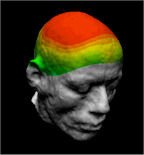
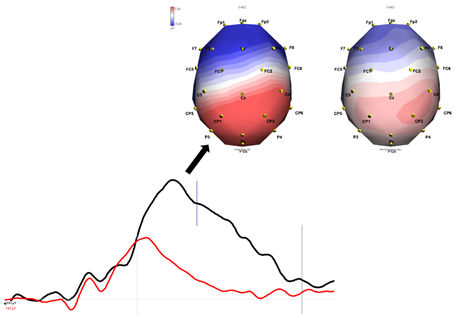
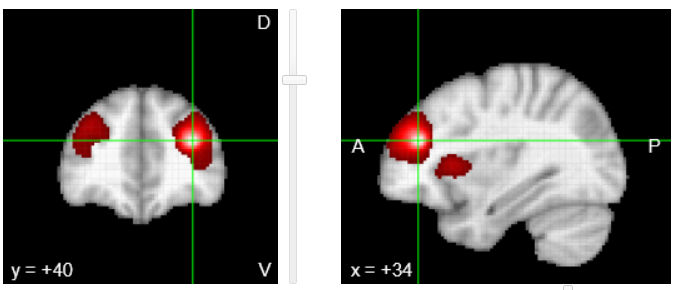

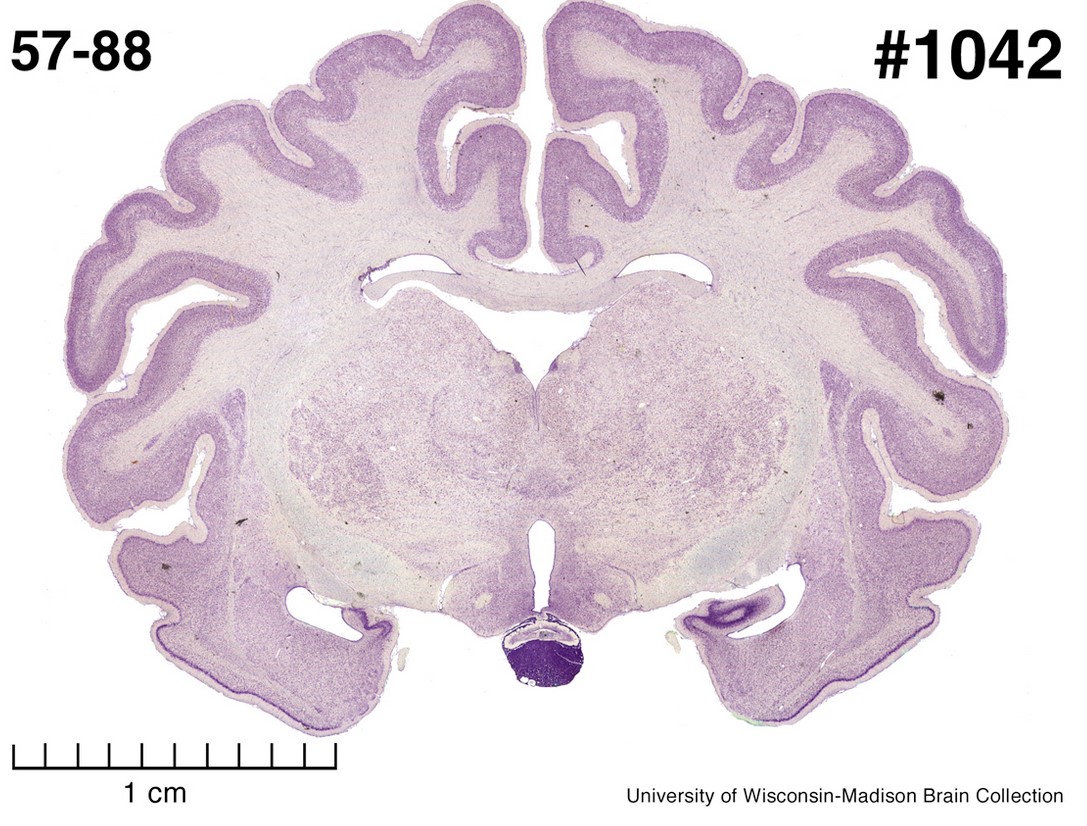
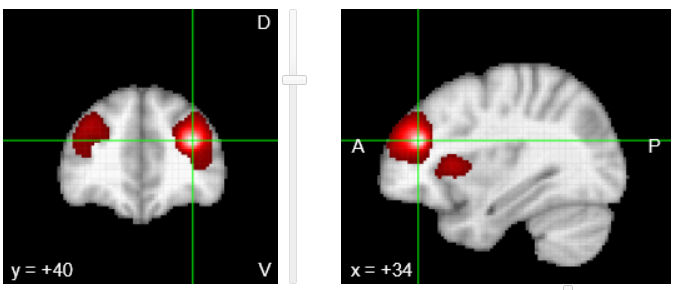
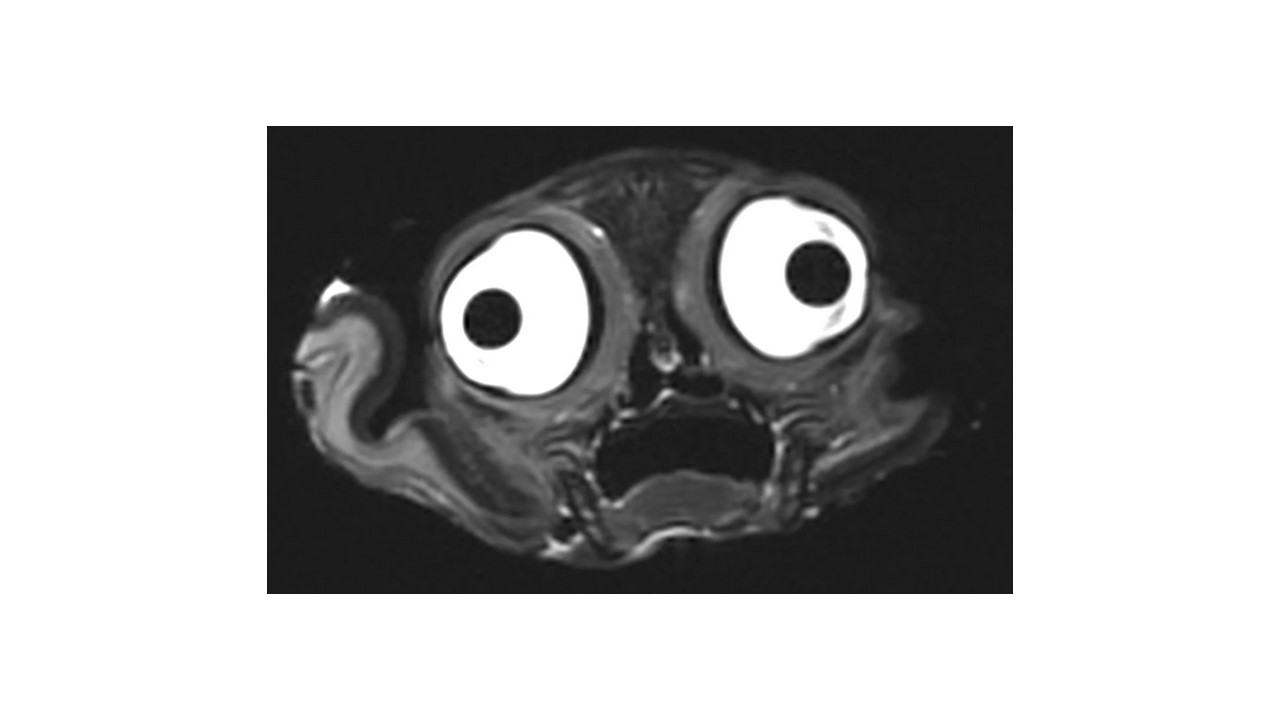

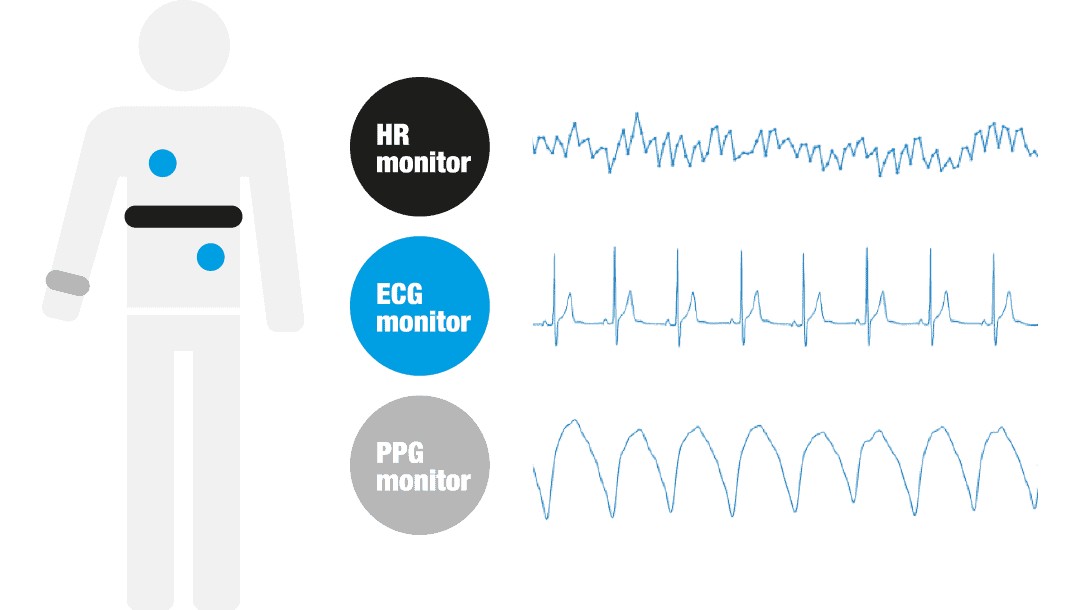
This page will contain all the lab materials for Psy 355. Sorry, I know it's annoying to have two separate pages for the class, but trust me, things get WAY too complicated when I try to cram it all in one page.

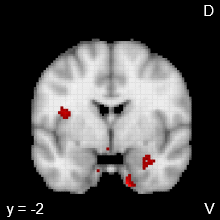













This course will address the social-emotional and, behavioral needs of students in schools, and, strategies to support student well-being. Content, will include identification, diagnosis, treatment, planning, intervention, and progress monitoring;, developmental, social, and cultural influences on, diagnoses and interventions; and an ecological and, social-justice-oriented approach to case, conceptualization and intervention.
This course will address the social-emotional and
behavioral needs of students in schools, and
strategies to support student well-being. Content
will include identification, diagnosis, treatment
planning, intervention, and progress monitoring;
developmental, social, and cultural influences on
diagnoses and interventions; and an ecological and
social-justice-oriented approach to case
conceptualization and intervention.
This course will address the social-emotional and, behavioral needs of students in schools, and, strategies to support student well-being. Content, will include identification, diagnosis, treatment, planning, intervention, and progress monitoring;, developmental, social, and cultural influences on, diagnoses and interventions; and an ecological and, social-justice-oriented approach to case, conceptualization and intervention.
This course is a 1-credit lab course designed to, be taken in conjunction with SPSY 545. SPSY 545 is, the first of a three-part assessment sequence., SPSY 545 focuses on cognitive and academic, measures. This course is designed to prepare, students to (a) understand and learn the process, of assessment. The course format stresses the, formative evaluation of student progress toward a, criterion of competence. Students are expected to, master the administration, scoring, and basic, interpretation of specific cognitive and, achievement measures to a high level of mastery., Additional training and experience will be, necessary, however, to further develop and refine, skills and to apply them to diverse individuals in, a variety of settings. Students demonstrating, initial competence following this course will be, ready for further training in individual, intellectual assessment in supervised practicum, experiences, but not for unsupervised/independent, practice.
This course is a 1-credit lab course designed to, be taken in conjunction with SPSY 545. SPSY 545 is, the first of a three-part assessment sequence., SPSY 545 focuses on cognitive and academic, measures. This course is designed to prepare, students to (a) understand and learn the process, of assessment. The course format stresses the, formative evaluation of student progress toward a, criterion of competence. Students are expected to, master the administration, scoring, and basic, interpretation of specific cognitive and, achievement measures to a high level of mastery., Additional training and experience will be, necessary, however, to further develop and refine, skills and to apply them to diverse individuals in, a variety of settings. Students demonstrating, initial competence following this course will be, ready for further training in individual, intellectual assessment in supervised practicum, experiences, but not for unsupervised/independent, practice.
A Colloquium is an academic seminar on a broad, field of study, usually led by a different, lecturer at each meeting. This Colloquium will be, focused on the broad field of School Psychology,, and all candidates across all three cohorts of, the school psychology program are required to, attend in order to address, together, relevant, topics of the profession that concern us all. The, Colloquium meets four times per academic year,, with a different topic as the focus for each, meeting. These four topics include: 1) Issues in, Practicum and Internship Supervision; 2), Variations of the Practice of School Psychology;, 3) Alumni Relations and Mentorship; and 4), Cross-Professional Collaboration. The School, Psychology Colloquium challenges school, psychology candidates to address issues of, concern across all three cohorts while, simultaneously providing mentorship across these, cohorts through conversation, guidance, and, shared information. Course goals for participants, include: a. Engaging with the data, research and, theory regarding topics of shared concern in the, field of school psychology b. Gaining an, understanding of the practices of mentorship,, supervision and on-going professional development, in the field of school psychology c. Gaining an, understanding of the variation and different, forms of practice within the field of school, psychology at the local, national and, international level. d. Engaging with related, professionals in the field of education regarding, topics of shared concern in an effort to better, differentiate and integrate as working, professionals.
A Colloquium is an academic seminar on a broad, field of study, usually led by a different, lecturer at each meeting. This Colloquium will be, focused on the broad field of School Psychology,, and all candidates across all three cohorts of, the school psychology program are required to, attend in order to address, together, relevant, topics of the profession that concern us all. The, Colloquium meets four times per academic year,, with a different topic as the focus for each, meeting. These four topics include: 1) Issues in, Practicum and Internship Supervision; 2), Variations of the Practice of School Psychology;, 3) Alumni Relations and Mentorship; and 4), Cross-Professional Collaboration. The School, Psychology Colloquium challenges school, psychology candidates to address issues of, concern across all three cohorts while, simultaneously providing mentorship across these, cohorts through conversation, guidance, and, shared information. Course goals for participants, include: a. Engaging with the data, research and, theory regarding topics of shared concern in the, field of school psychology b. Gaining an, understanding of the practices of mentorship,, supervision and on-going professional development, in the field of school psychology c. Gaining an, understanding of the variation and different, forms of practice within the field of school, psychology at the local, national and, international level. d. Engaging with related, professionals in the field of education regarding, topics of shared concern in an effort to better, differentiate and integrate as working, professionals.
Didactic class instruction, practicum placement,, and clinical training related to work as a, professional school psychologist. Covers the, application of psychological therapies with, children, adolescents, and families in educational, settings, as well as skills involved in collecting, data for consultation and assessment at the, practicum site. Foci will include the development, and application of diversity awareness and, knowledge including systems of power and, privilege; awareness of one's own beliefs, biases,, and prejudices; and methods/skills for working, with those who are diverse in culture, race,, ethnicity, gender, age, sexual orientation, or, physical or mental ability. In weekly seminars,, students review research, theory, and practice., Students also present audio and/or video, recordings of their counseling for supervisory, review.
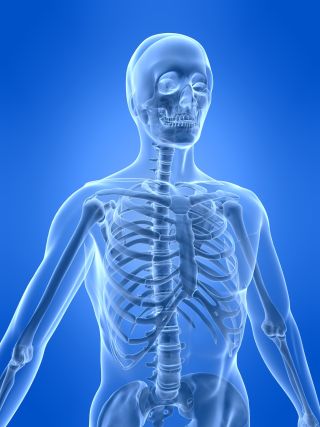
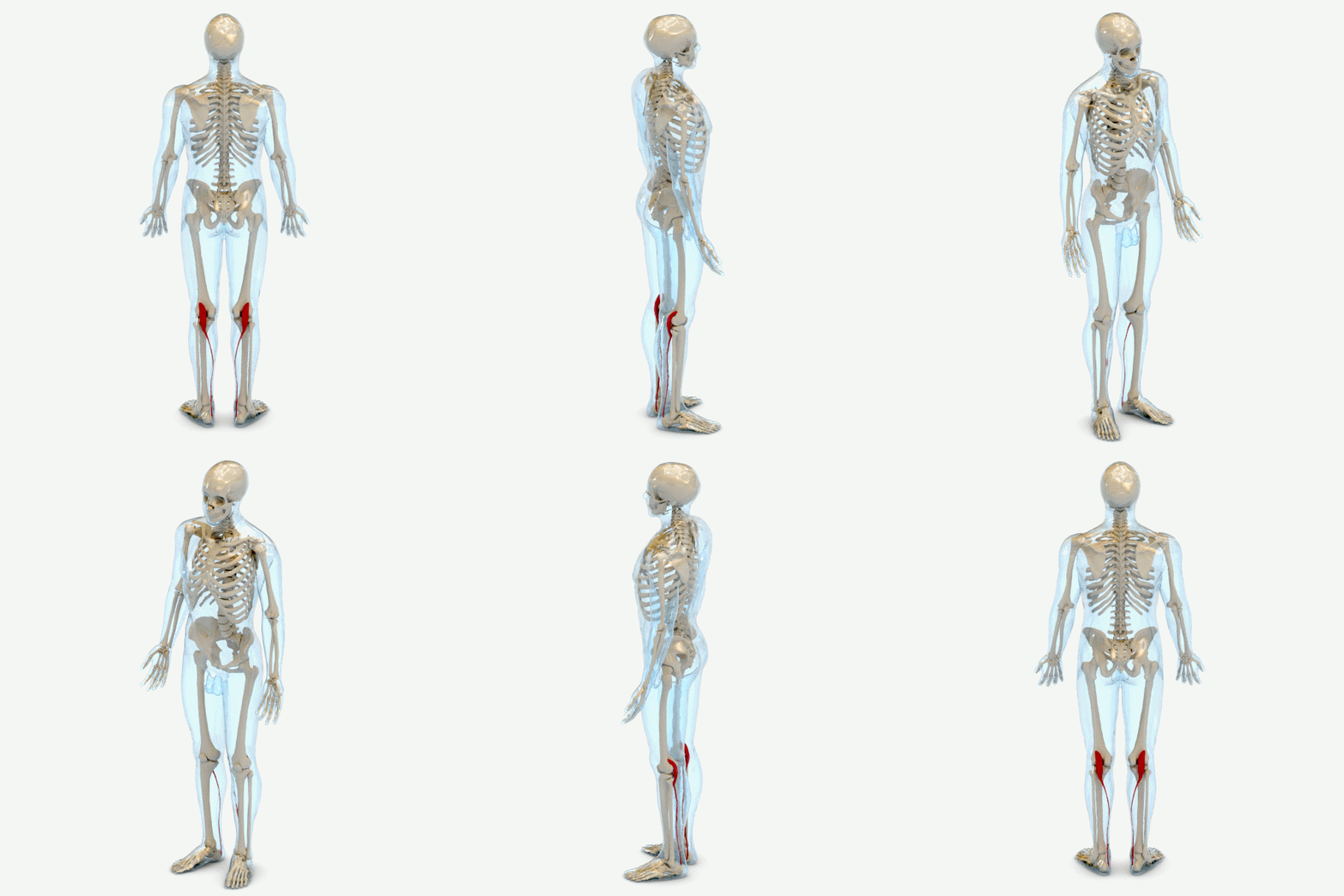
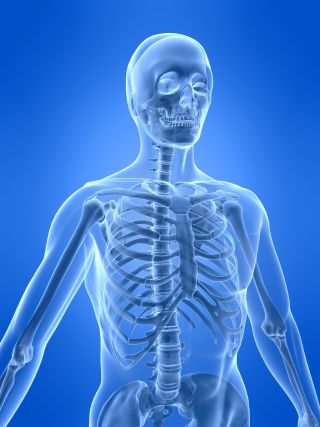
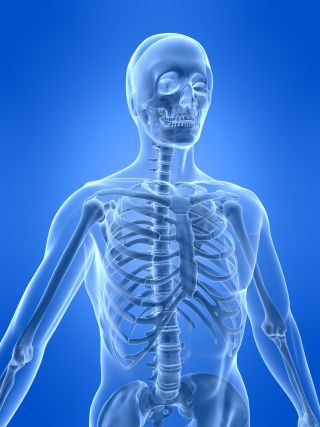
Use of guided movement explorations, partner work,, readings, and discussion to explore structural and, functional aspects of the body and anatomy with, the goal of increasing efficiency of movement and, physical coordination. Use of imagery supports, dynamic alignment, breath, mobility/stability,, relaxation, and partner work including massage,, with a main focus on the skeletal system and, elements of muscle and organ systems, as well as, the relationship between the body and, psychological/emotional patterns. Extensive, journal writing.




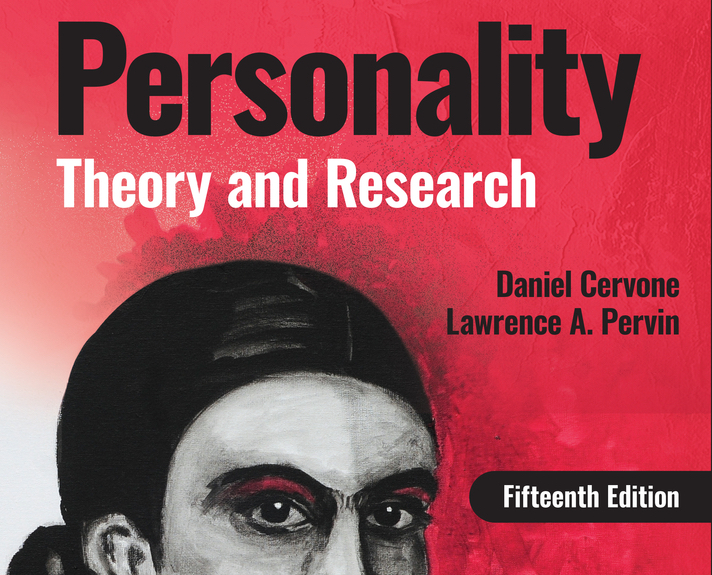
The study of personality is an endeavor to understand the theory and research about human nature, individuality, and important psychological similarities and differences among people. This course will cover issues in defining personality; historical events and perspectives; major theories of personality, including psychoanalytic, humanistic, trait, social learning, existential, cognitive, and other perspectives; and current topics in personality research.